Car products for animals are sold with a weight limit, and that number does a lot of work in the marketing and rather less in the physics. Understanding what a weight rating is — and what it is not — is the difference between a product that helps and a false sense of security.
What a weight rating means
The published limit is the manufacturer’s figure for an animal the product is designed to support in normal use: sitting, lying, shifting position, ordinary braking and cornering. It is a load figure for a static and slowly changing load.
It is not a crash rating. In a collision, forces are many times body weight, and unless a product has been independently crash tested and states so explicitly, the weight limit tells you nothing about what happens at speed.
We put the manufacturer’s limit in the title of every booster and barrier we sell, and where no limit is stated we say so rather than implying one.
Booster seats
A booster raises a small dog so it can see out, which reduces anxiety and, for some animals, motion sickness. It contains the animal in a defined space and stops it moving around the cabin.
Boosters attach with straps around the seat back and, usually, a seat belt through a channel. Inside, there is normally a short tether that clips to a harness. That tether prevents the dog leaving the booster; it is not a restraint system.
The tether must clip to a harness, never a collar. This is the single most important sentence in this article.
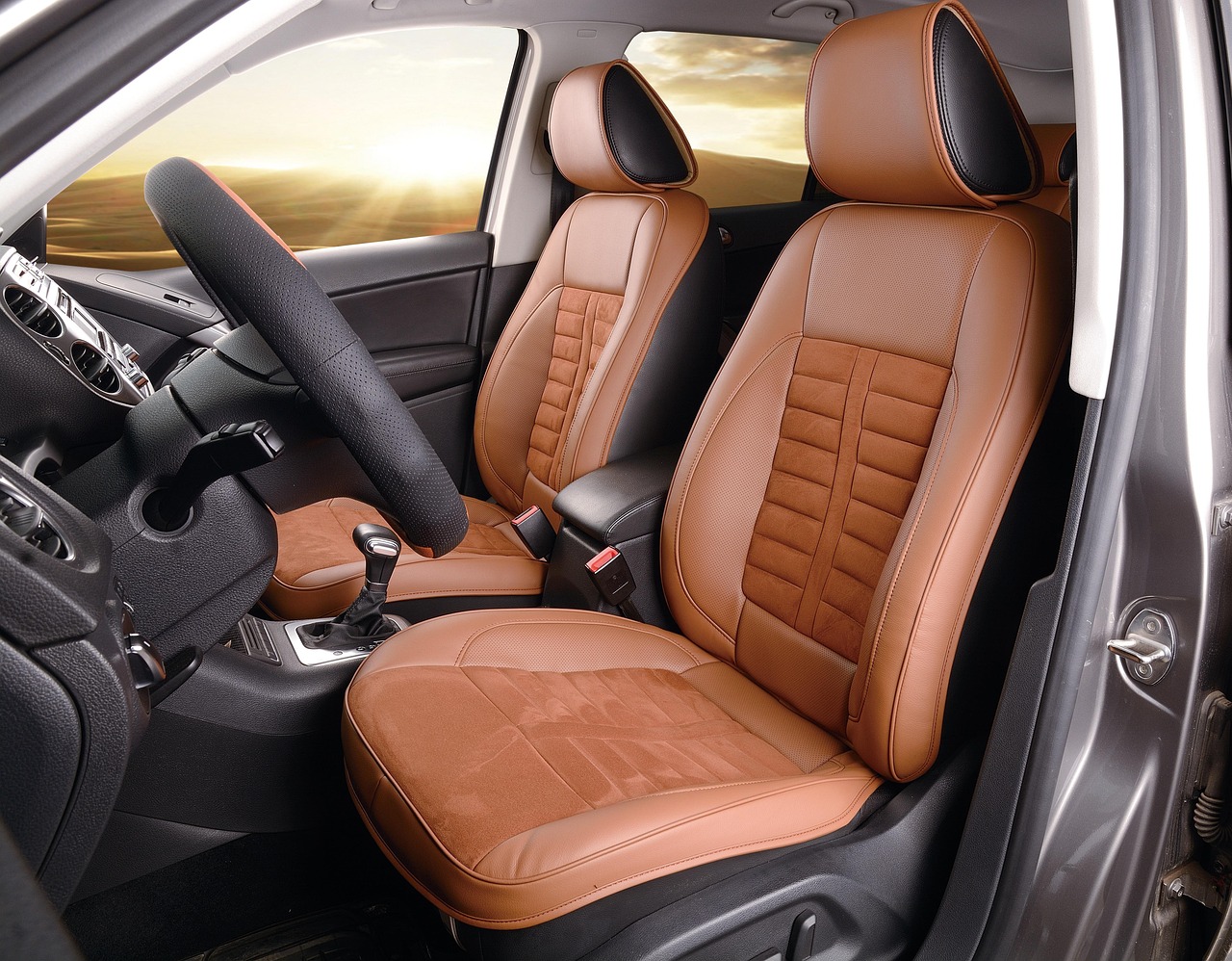
Quilted covers and hammocks
Seat covers protect upholstery and provide grip. Hammock-style covers, which attach to both the front and rear headrests and form a sling, also prevent a dog falling into the rear footwell — which is a genuine benefit on a heavy brake.
A cover is not a restraint. A dog on a covered seat is still a loose animal.
Barriers
An extendable grid barrier separates the boot of an estate or SUV from the cabin. Fitted properly and tensioned, it stops an animal climbing forward, which is both a distraction issue and a safety one.
Measure the opening where the barrier will sit, not at the widest part of the boot, and check that number against the adjustment range on the product page. A barrier at the very end of its range is not well tensioned and will move.
Check the fitting points too: barriers that brace against interior trim can mark or crack it, and a barrier braced against a plastic panel is only as strong as the panel.
Harness and seat belt tethers
A short tether from a well-fitted harness to a seat belt buckle or anchor point is the simplest arrangement for a medium or large dog. Keep it short enough that the animal cannot reach the front seats and long enough for it to sit, stand and lie down.
Use a harness with wide, padded straps across the chest rather than a thin strap harness, and check the harness fit properly — two fingers under every strap.
Crates
For a large dog, a properly secured crate in the boot is generally the most protective option, and it is what most people who have looked closely at the problem end up using. It has to be secured; an unsecured crate is a heavy object that moves.
What none of this replaces
- An animal in the front seat next to an active airbag is at risk regardless of what it is sitting in.
- No product makes it safe to leave an animal in a parked car.
- No product removes the need to attach a lead before opening a door.
Fitting checklist
- Fit the product with the vehicle stationary and read the whole instruction sheet.
- Tension straps properly — most failures are loose straps rather than broken ones.
- Attach any tether to a harness, never a collar.
- Check the animal cannot reach the driver or the footwell.
- Re-check tension after the first journey; everything settles.
Weight limits, dimensions and adjustment ranges are listed on every product in car safety and travel. If a figure is missing from a listing, ask us and we will check the manufacturer’s packaging.
Getting an animal used to the seat
Fit the booster and let the animal sit in it on the drive with the engine off, several times, before using it on a journey. A booster introduced for the first time on the way to a vet appointment becomes part of the thing being resisted.
Feed the occasional treat in it. Two or three short sessions is usually enough for a dog to treat it as a normal place to be.
Checking the fit after the first few journeys
Straps settle and buckles slip. Re-tension everything after the first journey and again after a week, and check the tether length so the animal can lie down but cannot reach the front seats.
Look also at the seat underneath. A booster strapped tightly to a leather seat can mark it over months, and a thin towel underneath prevents that without affecting the fitting.